By Melissa Nye, B.Pharm | Pharmacist at Pet Chemist Online
If you share your home with a Cavalier King Charles Spaniel, Chihuahua, Yorkshire Terrier, Toy Poodle, or any one of Australia’s beloved small and toy breeds, there’s something important you should know: your dog is statistically far more likely to develop dental disease than a larger breed dog.
Small breed dogs are approximately three times more likely to develop periodontal disease than medium or large breed dogs. And the unfortunate reality is that for many small dog owners, this isn’t discovered until the condition is already well advanced.
Understanding why small dogs are at greater risk, and what you can do about it, is one of the most practical things you can do for your pet’s long-term health and comfort.
The Anatomy Problem: 42 Teeth, Not Enough Space
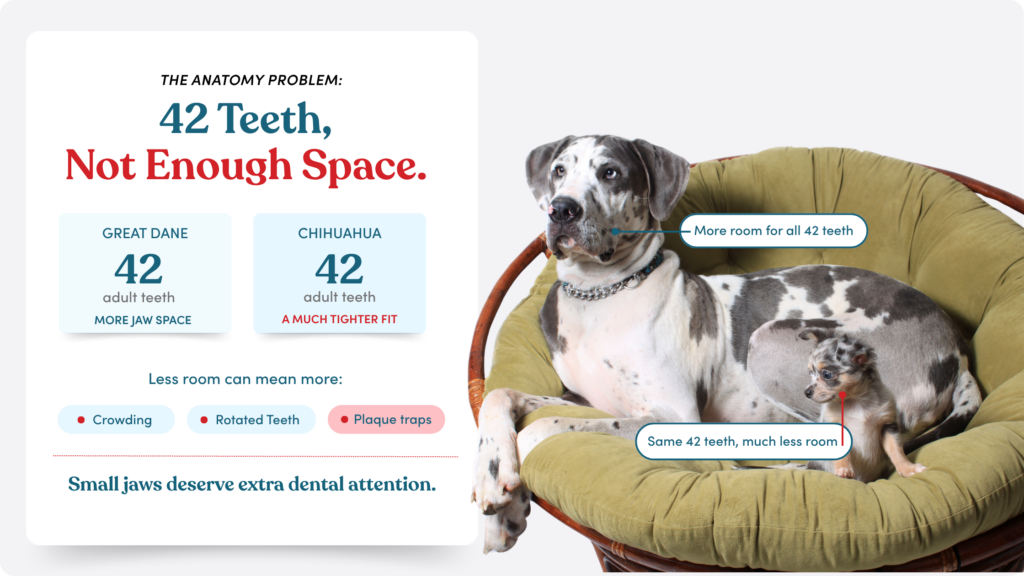
Here’s the fundamental issue: all dogs, regardless of size, have the same number of teeth. A Great Dane has 42 adult teeth. A Chihuahua has 42 adult teeth. But the Chihuahua has a fraction of the jaw space to fit them in.
This means that in small breeds, teeth are forced to overlap, rotate, and crowd together. Those tight, irregular spaces trap food debris and bacteria that normal chewing action and saliva flow simply can’t clear. Plaque accumulates faster, progresses to tartar more quickly, and the conditions for gingivitis and periodontal disease are essentially built into the breed’s biology.
Brachycephalic breeds (those with flat or compressed faces) including Pugs, Shih Tzus, French Bulldogs, and Cavalier King Charles Spaniels face an additional layer of difficulty. Their jaws are shorter than standard small breed dogs, but still accommodate the same number of teeth. This pushes crowding to an even greater extreme. Teeth are often misaligned, tilted at incorrect angles, or erupting into positions that create permanent plaque traps that no amount of chewing will address.
Retained Baby Teeth: A Common Complication
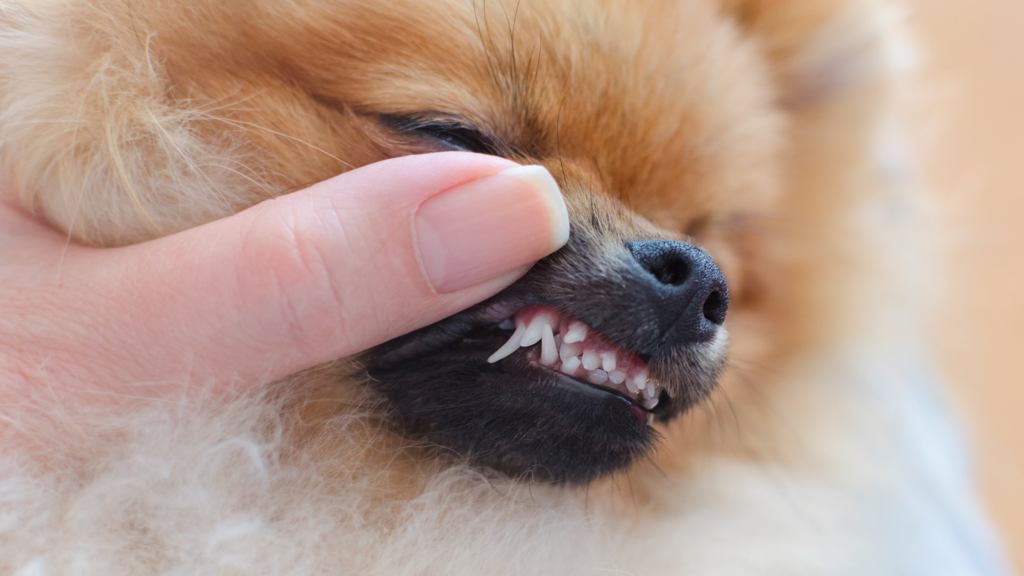
In small breeds, another common problem compounds the crowding issue: retained deciduous (baby) teeth. Normally, a puppy’s baby teeth fall out as the adult teeth erupt but in small and toy breeds, this process frequently fails to go smoothly. The adult tooth comes through while the baby tooth is still in place, resulting in two teeth occupying the same socket simultaneously.
This creates an immediate plaque accumulation site and can force the adult tooth into an abnormal position causing a malocclusion (misaligned bite) that affects how the dog chews and further increases dental disease risk. Retained baby teeth should be identified and extracted promptly, which is one of the reasons that early veterinary dental checks from puppyhood are so important for small breeds.
The Signs of Dental Disease in Small Dogs
Dental disease progresses through stages, and the early signs are easy to miss. Because small breed dogs are often close companions and indoor pets, bad breath can become normalised without owners realising it’s a warning sign.
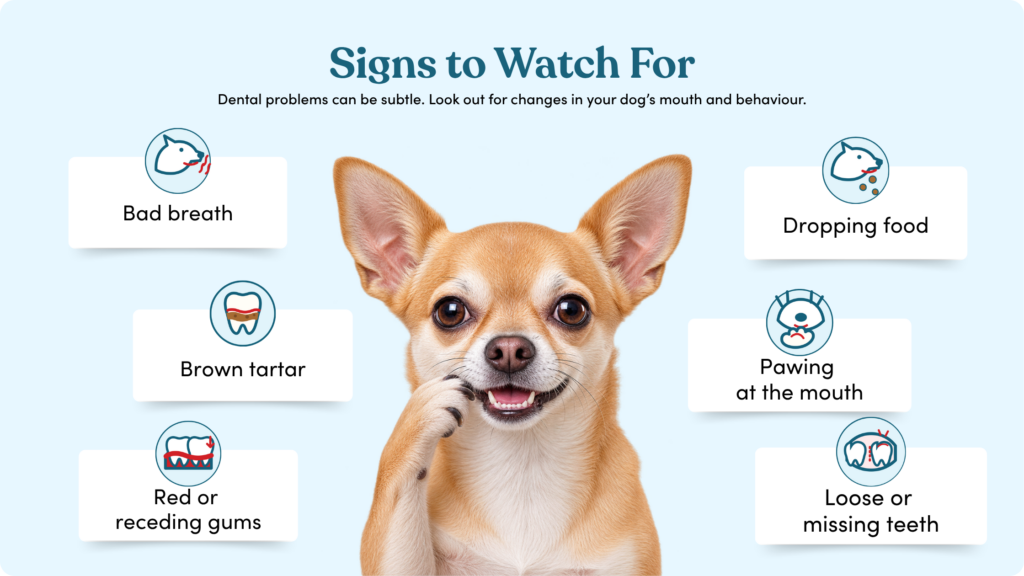
Signs to watch for:
- Bad breath: one of the earliest and most reliable indicators of plaque and bacterial buildup
- Yellow or brown tartar deposits: visible on the teeth, particularly towards the back of the mouth
- Red, swollen, or receding gums: inflammation is a sign of gingivitis progressing to periodontal disease
- Difficulty chewing or dropping food: may indicate tooth pain or loose teeth
- Pawing at the mouth: a sign of oral discomfort
- Changes in eating habits: reluctance to eat hard food, or preference for soft food only
- Loose or missing teeth: a sign of advanced bone loss around the tooth
Once tartar is established, it cannot be removed at home. At that point, a professional veterinary scale and clean under general anaesthesia is required. Prevention is, without question, far easier and far less costly than treatment and for small breeds, prevention needs to start early and stay consistent.
Building a Dental Care Routine for Small Dogs
Because small breeds are at elevated risk from such a young age, a multi-layered approach to dental care is the most effective strategy. No single product or method offers complete protection on its own, but combining approaches creates meaningful, compounding benefits.
1. Daily Brushing
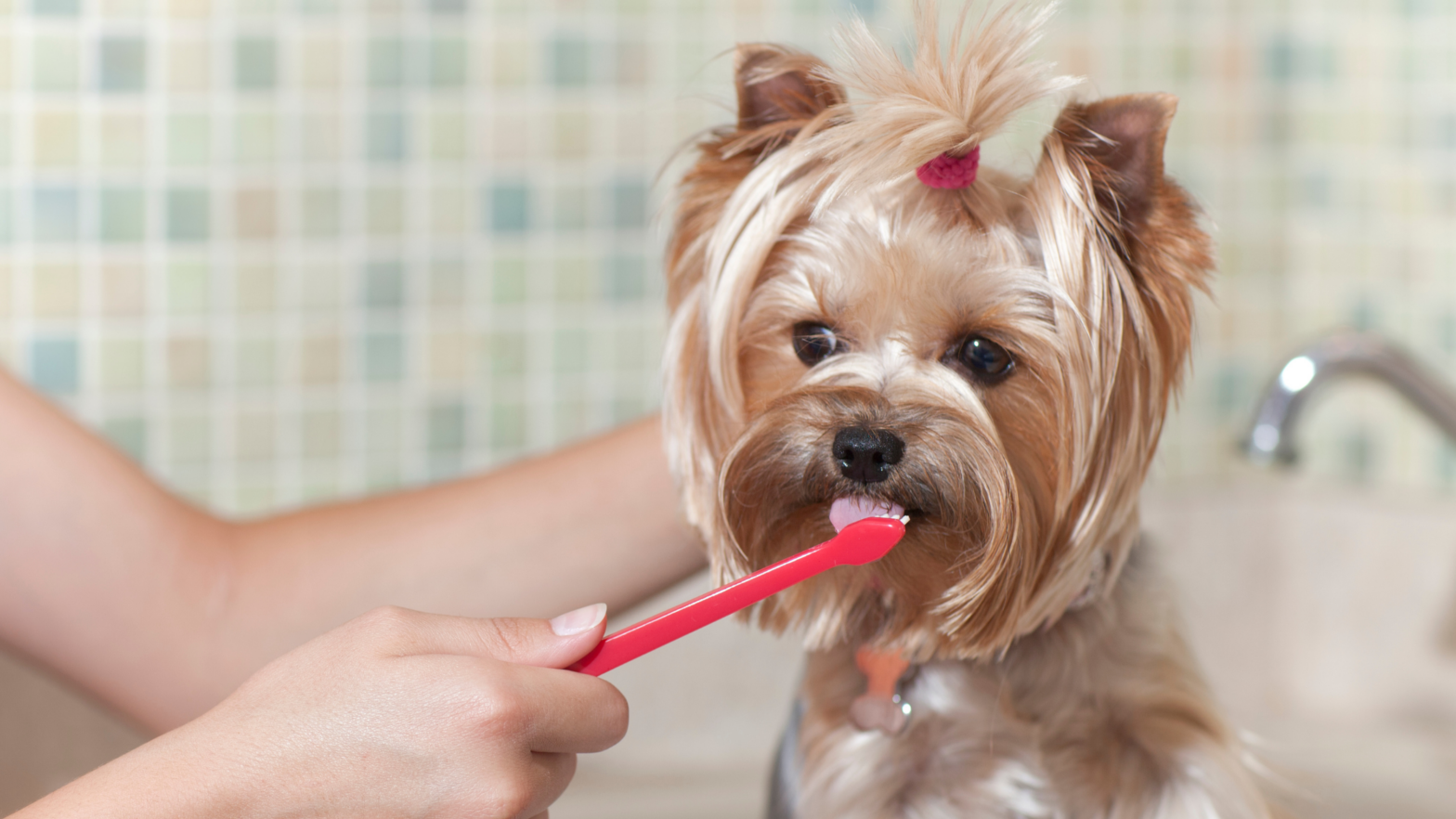
Toothbrushing remains the gold standard for plaque removal at home. Using a small, soft-bristled toothbrush or finger brush with a pet-safe toothpaste, daily brushing disrupts plaque mechanically before it can mineralise into tartar. For small breed owners, it’s worth investing time to train puppies to accept brushing early — the habit is far easier to establish before the dog has negative associations with having their mouth handled.
Never use human toothpaste, which contains ingredients toxic to dogs. Pet-specific formulations, including flavoured options in chicken and beef, are available and make the process considerably convenient.
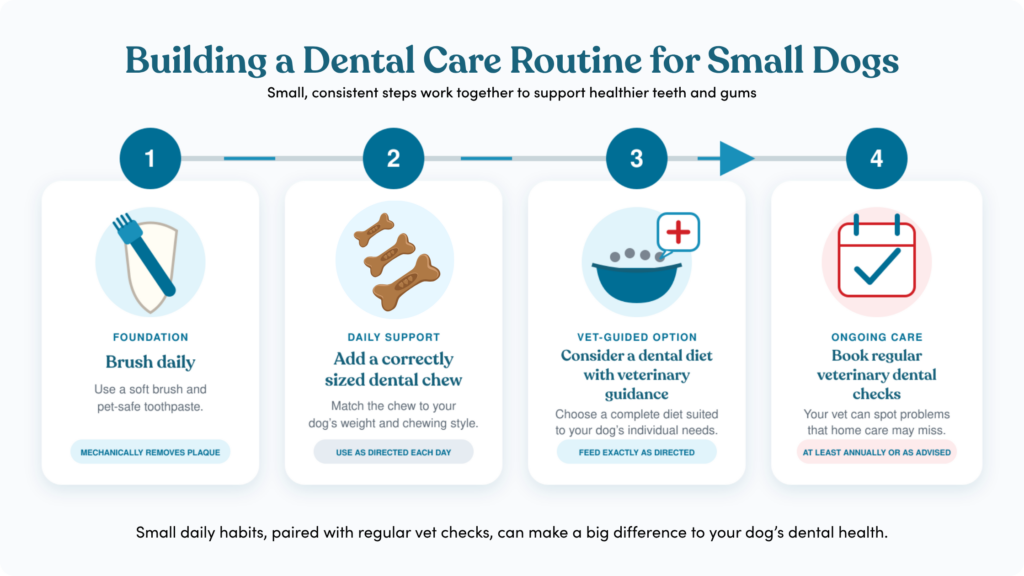
2. Dental Chews: Daily Support Between Brushes
For small breed dogs who won’t tolerate brushing, or as a complement to brushing on the days it happens, dental chews provide meaningful daily plaque management through both mechanical action and, in some products, active ingredients.
OraVet Dental Hygiene Chews are a standout choice for small breed dogs and are available in a small dog size (4.5–11kg). OraVet is the only dental chew to contain delmopinol, a clinically proven compound that creates a protective barrier on the tooth surface, preventing bacteria from adhering and forming plaque. This dual-action approach (physical scrubbing plus active bacterial inhibition) is especially valuable for small breeds where crowded teeth make thorough plaque removal through chewing alone difficult. Used once daily, OraVet also helps combat the bad breath that’s so commonly associated with small dog dental disease.
VeggieDent FR3SH Dental Chews offer an Australian-made, grain-free option that’s vet-endorsed and free from fillers. Their distinctive Z-shape is engineered to reach across the full length of the tooth from front to back, helpful for small breeds where misaligned and crowded teeth can leave some surfaces underserviced by standard chewing.VeggieDent also contains the prebiotic inulin, which addresses the digestive causes of bad breath from the inside, making them an effective tool for freshness alongside plaque management.
Greenies Dental Treats carry the VOHC (Veterinary Oral Health Council) seal, meaning their plaque and tartar reduction claims are backed by independent clinical evidence. Greenies are biometrically designed, with each size matched to the chewing mechanics of dogs in that weight range. Their Teenie (2–7kg) and Petite (7–11kg) sizes are ideal for toy and small breeds. Highly digestible, made from natural ingredients, and widely recommended by veterinarians globally, Greenies are one of the most accessible and consistent daily additions to a small dog dental routine.
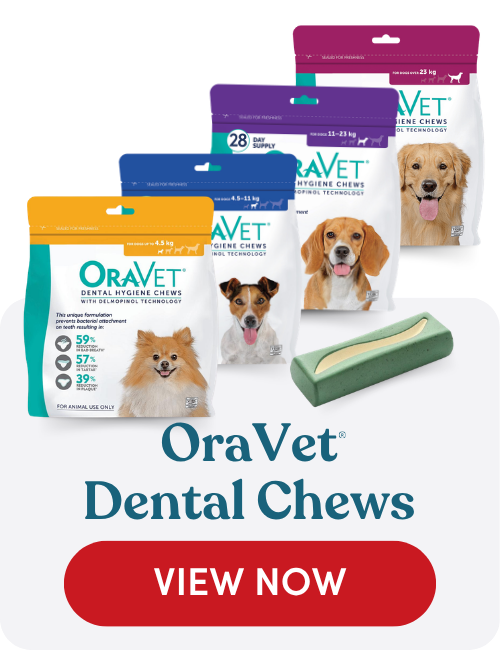
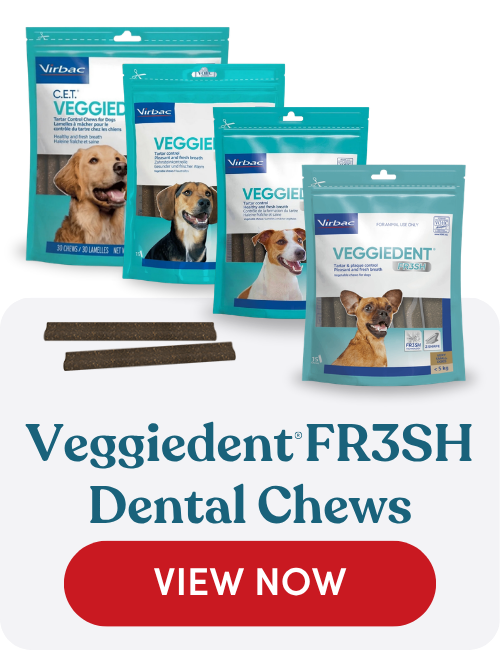
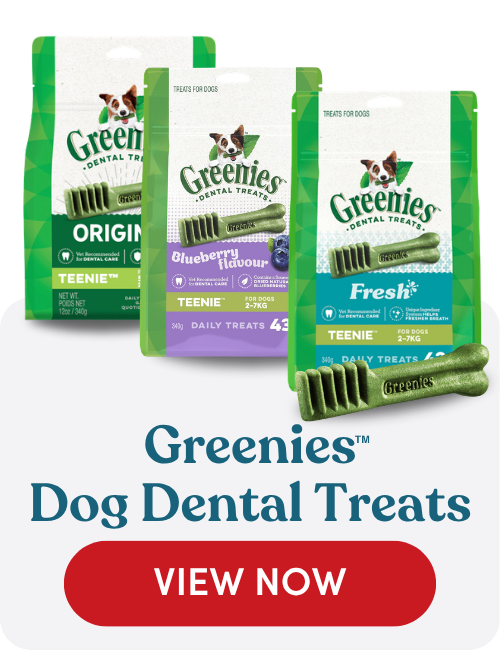
View the full range of dog dental treats at Pet Chemist.
3. Dental Food: Prevention Built Into Every Meal
For small breed owners who want the highest level of daily dental protection, especially those whose dogs are particularly resistant to brushing or chewing, dental diets represent one of the most powerful tools available. These are specially formulated dry foods in which the kibble itself is engineered to mechanically clean the teeth with every bite, complemented in some cases by active ingredients that chemically inhibit tartar formation.
The advantage of dental food is profound in its simplicity: your dog is cleaning their teeth every single time they eat, without any additional effort from you.
Hill’s Prescription Diet t/d Dental Care is considered one of the most clinically effective dental diets available, carrying the VOHC seal of acceptance for reducing both plaque and tartar. The t/d Dental Care formula works via a patented triple action fibre matrix technology: a special matrix of fibres within each oversized kibble scrubs the tooth surface as the dog bites down, cleaning right up to the gumline — the critical zone where periodontal disease begins. The kibble is specifically designed not to crumble on first contact, so the dog’s tooth penetrates into it and maximum cleaning surface contact is achieved. Exclusive feeding of Hill’s t/d Dental Care has been shown to be more effective than toothbrushing for plaque and tartar reduction. A small bites version is available, developed specifically for smaller dogs who need a proportionally sized kibble while still benefiting from the fibre matrix technology.
Royal Canin Mini Dental Care is formulated specifically for small adult dogs up to 10kg and is one of the most targeted dental kibble options for the breeds most at risk. The kibble’s advanced texture surrounds each tooth as the dog bites down, producing a brushing effect that cleans the full surface of the tooth. Royal Canin Mini Dental Care also includes a binding agent that bonds to calcium in the mouth and helps prevent plaque from mineralising into tartar. The result: up to 69% reduced tartar formation in internal studies. For small breed owners looking for a complete nutritional solution that addresses dental health with every meal, the Royal Canin Mini Dental Care is a natural fit.
For small breeds with more advanced dental concerns or a history of significant tartar buildup, the Royal Canin Veterinary Diet Dental Small Dog formula offers a higher-grade veterinary solution with VOHC-approved tartar reduction, calcium and phosphorus for tooth structure support, and kibble size and texture engineered specifically for the bite mechanics of small dogs.
We advise that you consult your veterinarian before starting any dental foods to identify the best one for your dog’s specific needs.
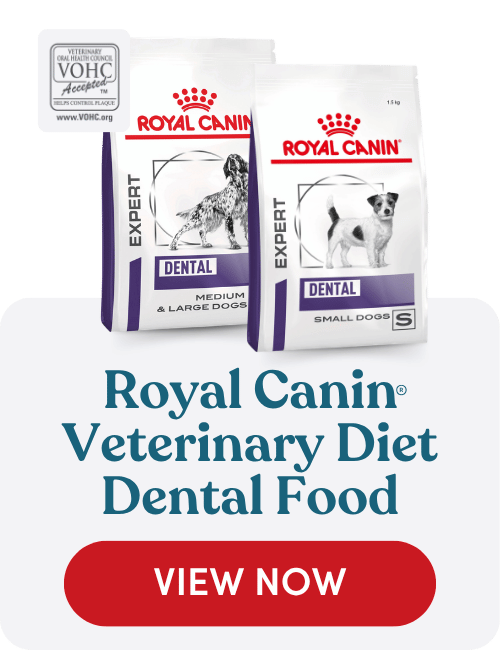
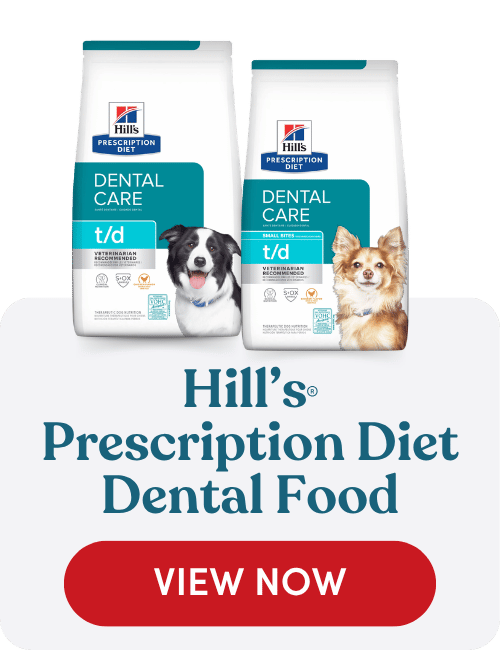
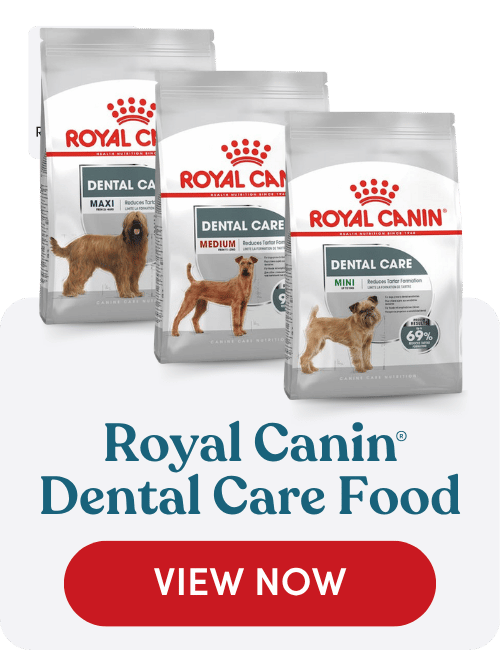
Explore the full range of dental dry dog food at Pet Chemist.
Don’t Wait for Symptoms
The nature of dental disease is that by the time owners notice something is wrong such as the bad breath that won’t go away, the reluctance to chew or the visible brown deposits, significant damage has often already occurred. In small breeds, this can happen remarkably fast without regular home care.
Annual veterinary dental checks are the safety net that catches what home care misses. A consultation with your vet will help to exam the degree of tartar accumulation, overall gum health, and any problem teeth can be assessed and addressed before disease progresses to tooth loss or systemic consequences.
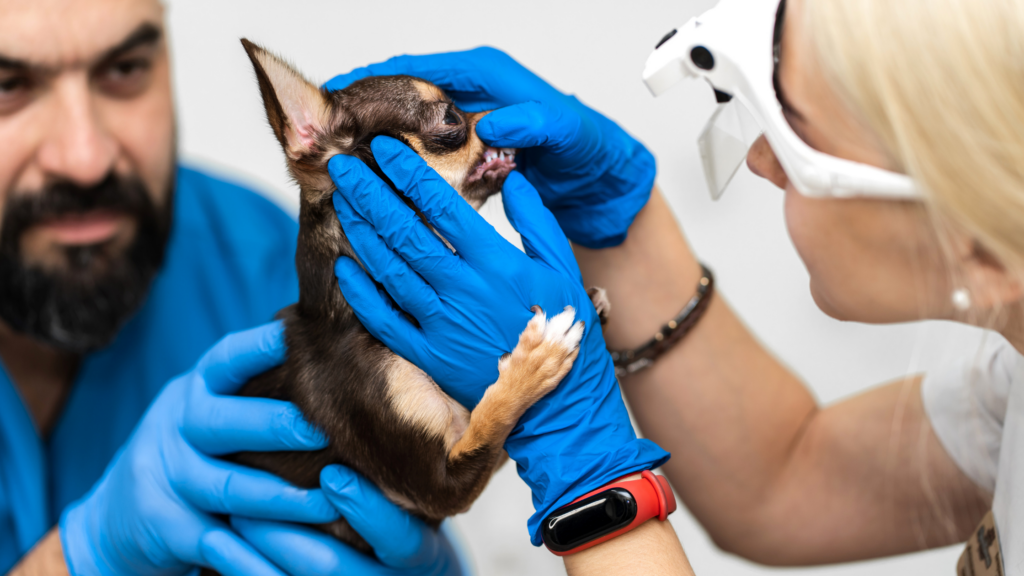
The goal of a home dental care routine is to reduce the frequency and severity of professional cleaning required and for a small breed dog, that means daily effort, ideally combining brushing (or a dental treat) with a dental food that works continuously in the background.
The Bottom Line
Small dog breeds aren’t just more likely to develop dental disease, they’re more likely to develop it earlier, more severely, and with consequences that affect their quality of life well into their senior years. The good news is that this is a highly manageable condition with the right combination of daily care, quality products, and regular dental checks.
Whether you start with a daily dental chew, switch to a dental kibble, or work up to daily brushing, every consistent step you take is reducing the plaque load in your small dog’s crowded little mouth.
As we always say, it is best to consult your vet before starting any new diet and this is especially important for dental care so that a baseline assessment can be made.
Browse the full range of dental care options for small dogs at Pet Chemist: