If you’ve ever noticed your pet developing diarrhoea before or after a trip, after a change in routine, or during stressful events, you’re not imagining things. Just like humans, dogs and cats have a strong connection between their brain and gut—and lifestyle factors can have a significant impact on digestive health.
From travel and boarding to changes in environment or routine, stress can disrupt your pet’s gut and lead to noticeable changes in their stool. Understanding this connection can help you better support your pet during life’s more challenging moments.
The Gut–Brain Connection in Pets
The digestive system and nervous system are closely linked through what’s known as the gut–brain axis.
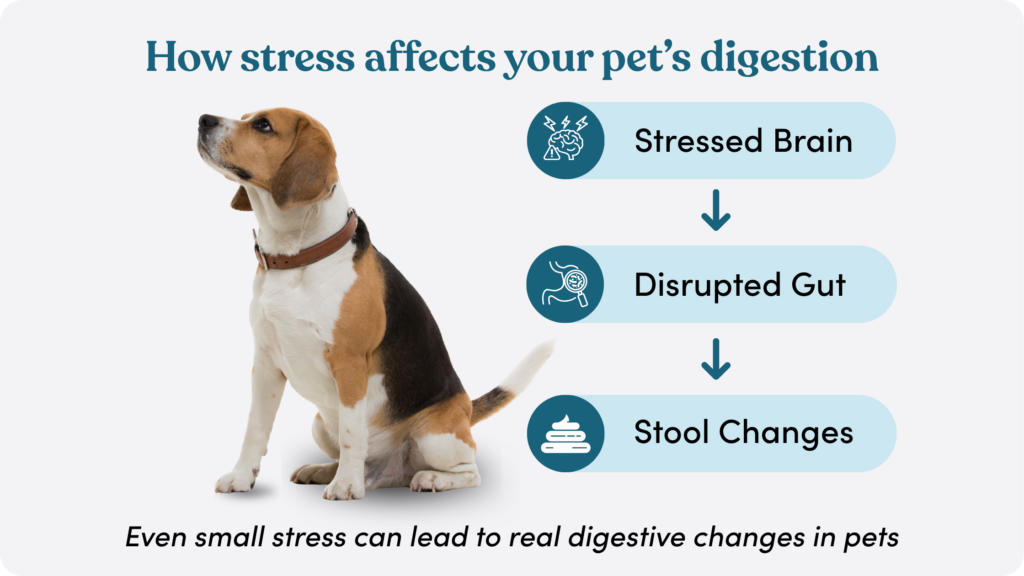
When your pet experiences stress, the body releases stress hormones that impact many things including gut motility (movement of the intestines) and gut bacteria (microbiome). This disruption can result in symptoms such as:
- Diarrhoea
- Soft stools
- Increased frequency of toileting
- Reduced appetite
Even short-term stress can trigger noticeable digestive upset.
Common Lifestyle Triggers for Digestive Upset
1. Travel
Car trips, flights, or even short journeys can affect pets in several ways:
- Motion sickness
- Anxiety or excitement
- Changes in feeding schedule
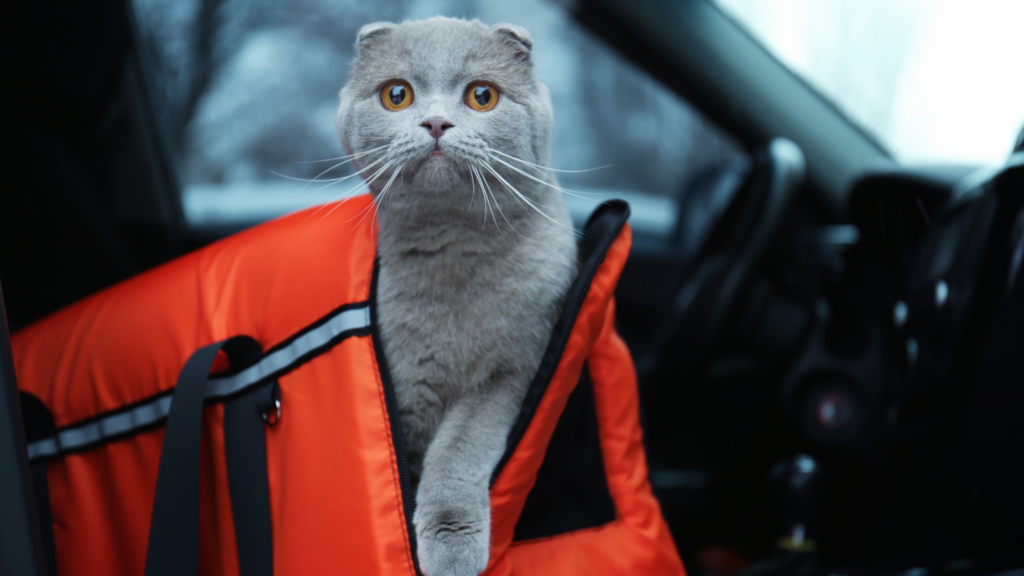
It’s common for pets to experience temporary diarrhoea or vomiting during or after travel.
2. Boarding or New Environments
Kennels, catteries, or even staying with friends can introduce:
- New smells and sounds
- Changes in routine
- Separation from owners
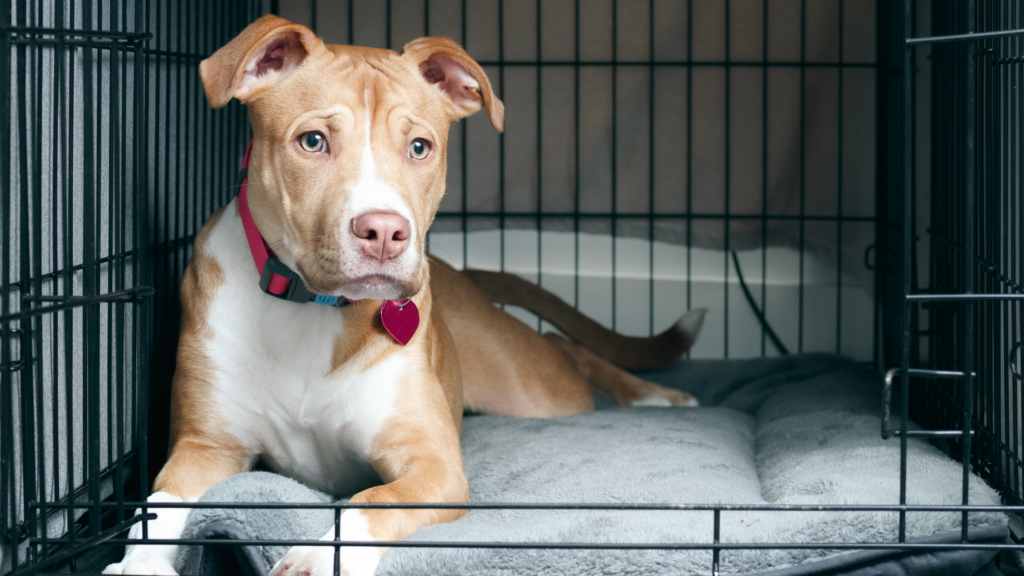
This type of stress can disrupt the gut and lead to “stress colitis”, particularly in dogs.
3. Changes in Routine
Pets thrive on consistency. Even small changes can have an impact:
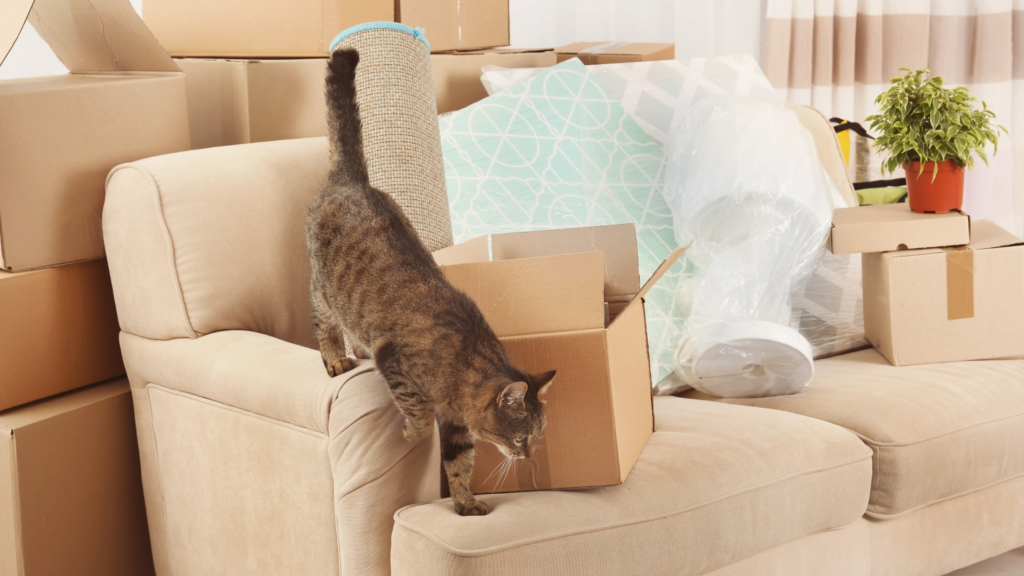
- Moving house
- New family members or pets
- Changes in feeding times
- Owner absence
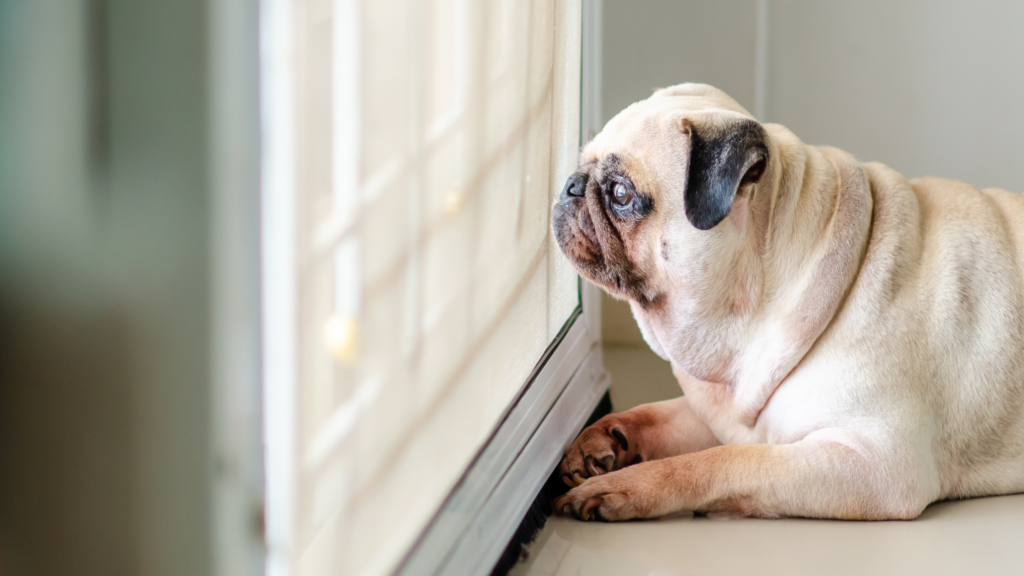
These disruptions can affect digestion and stool quality.
4. Diet Changes During Lifestyle Events
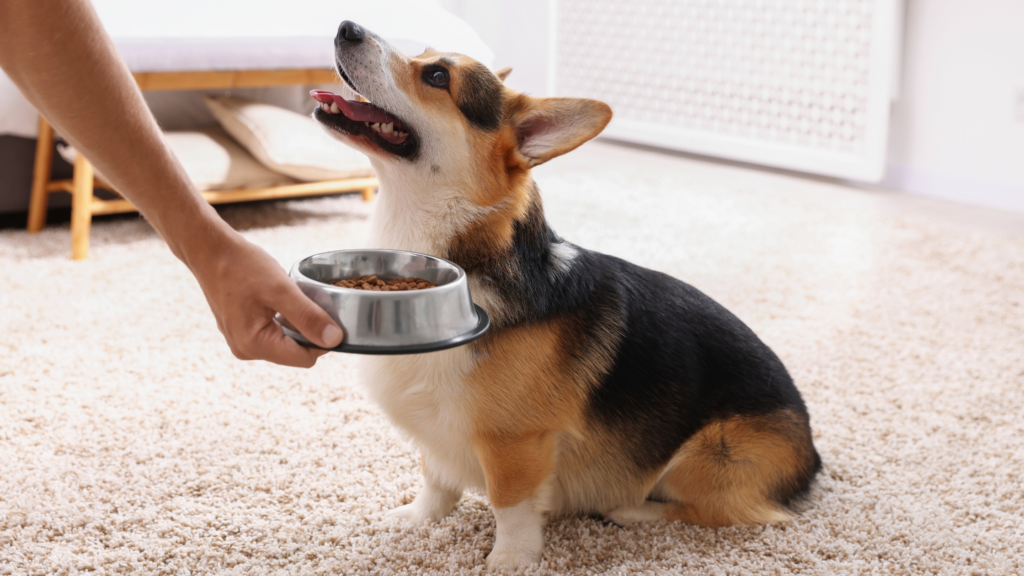
Travel or busy periods can sometimes lead to:
- Sudden food changes
- Extra treats
- Access to unfamiliar foods
This adds an additional digestive challenge on top of stress.
What Happens to the Gut During Stress?
When a pet is stressed:
Increased Gut Motility
- Food moves too quickly through the intestines
- Less time for water absorption
Microbiome Imbalance (Dysbiosis)
- Beneficial bacteria decrease
- Harmful bacteria may increase
Increased Gut Sensitivity
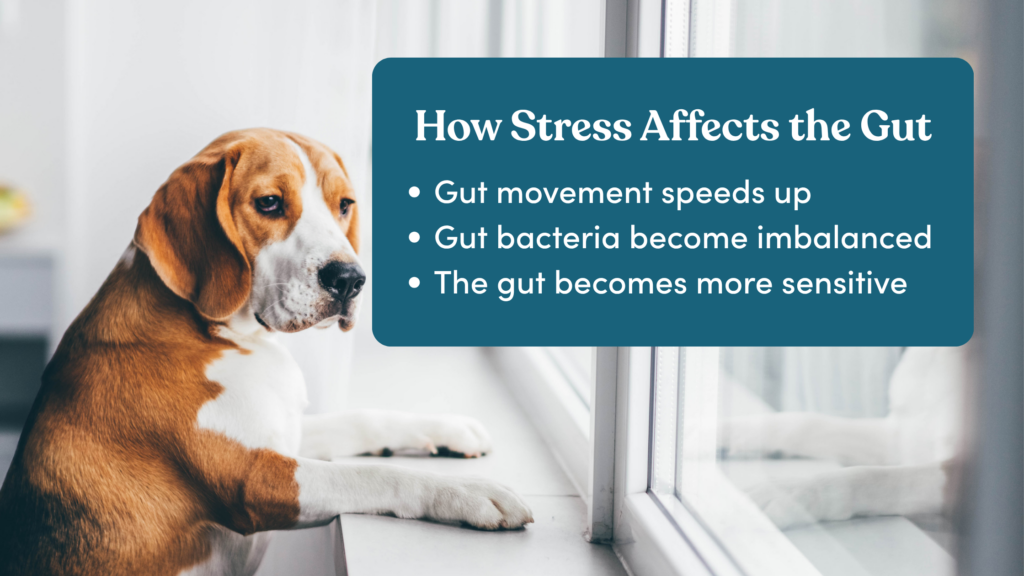
- The intestinal lining becomes more reactive
- Mild irritants can trigger symptoms
All of these things can lead to watery stools and discomfort.
Supporting Your Pet’s Digestive Health During Stress
The good news is there are several ways to support your pet’s gut during stressful situations.
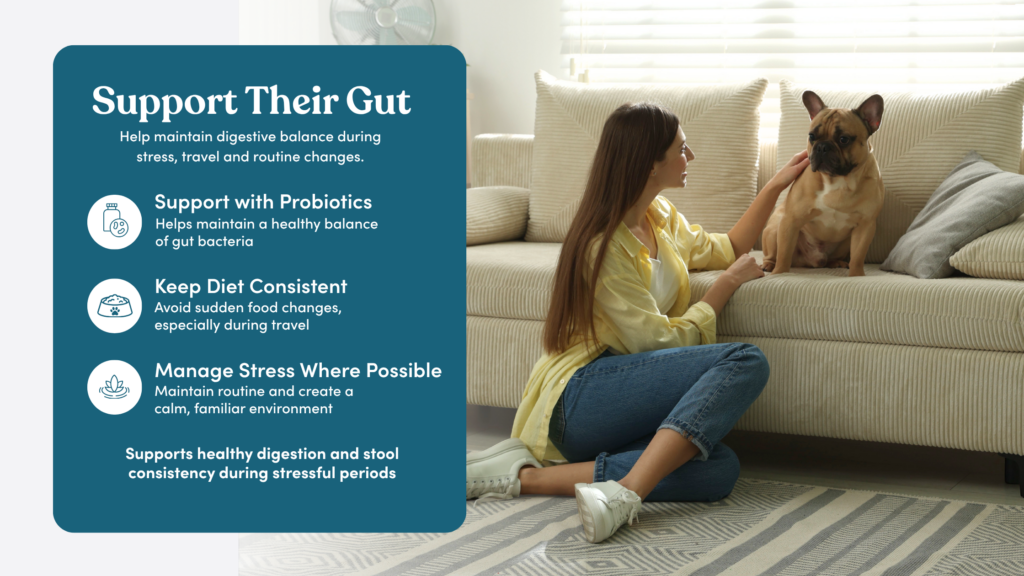
1. Keep Diet Consistent
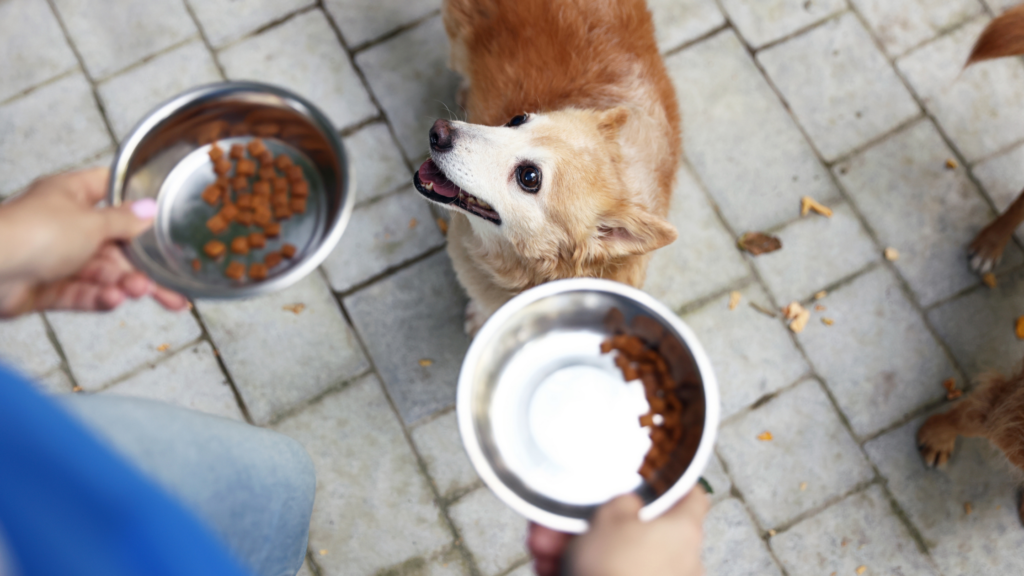
- Avoid sudden food changes before or during travel
- Stick to familiar foods whenever possible and avoid feeding an excess of treats
- Pack your pet’s regular food when travelling
2. The Role of Probiotics
Probiotics are beneficial bacteria that help maintain a healthy gut microbiome.
Benefits during stress:
- Help restore balance in gut bacteria
- Support normal stool consistency
- Reduce the risk of stress-related diarrhoea
Particularly useful before and during travel or routine changes
3. The Role of Prebiotics
Prebiotics are specialised fibres that feed beneficial gut bacteria.
Benefits:
- Support the growth of good bacteria
- Improve gut stability
- Enhance digestive resilience
Often used alongside probiotics for optimal support
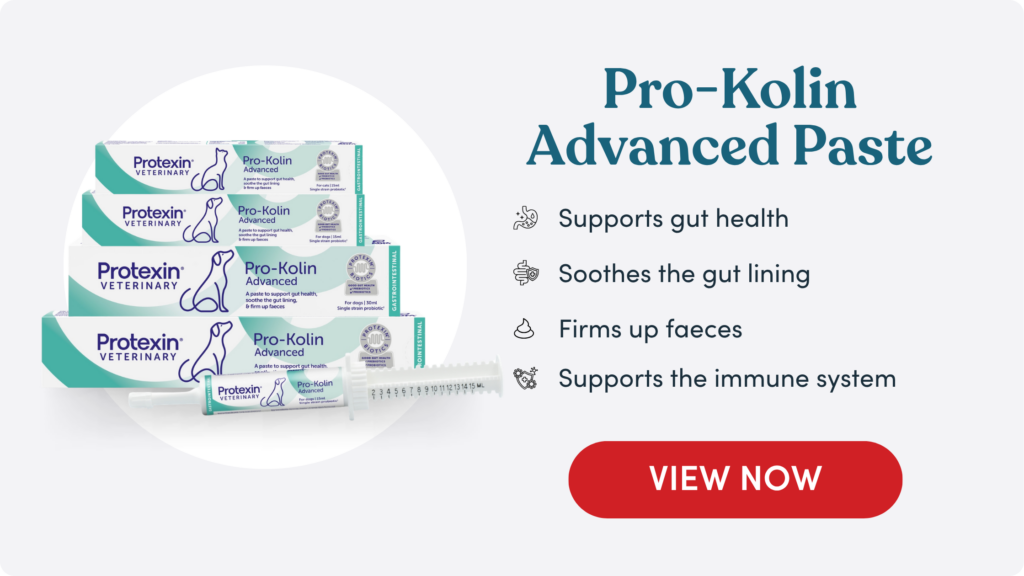
Gastrointestinal supplements such as Pro-Kolin Advanced contains both prebiotics and probiotics to help support your best friends gastrointestinal health during acute onset of symptoms but what is even better is that it can be used to prevent symptoms in the first place!
4. Manage Stress Where Possible
Reducing stress can directly improve digestive health.
Helpful strategies:
- Maintain a familiar routine
- Bring familiar bedding or toys when travelling
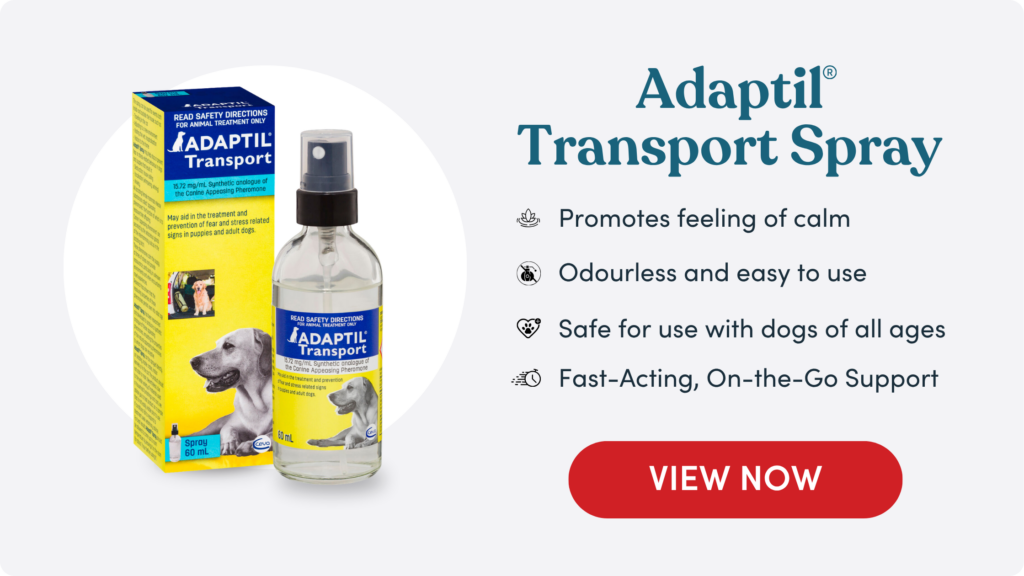
- Use calming techniques or pheromone products such as Adaptil Transport Spray
- Allow time for pets to adjust to new environments
5. Ensure Proper Hydration
Stress and diarrhoea can both increase fluid loss.
- Always provide fresh water
- Encourage drinking during travel
When to Seek Veterinary Advice
While mild, short-term changes in stool are common during stress, you should consult your vet if:
- Diarrhoea lasts more than 24–48 hours
- There is blood or mucus in the stool
- Your pet is lethargic or not eating
- Vomiting is also present
By supporting your pet with a consistent diet, stress management, and gut-supporting supplements like Pro-Kolin Advanced with prebiotics and probiotics, you can help maintain digestive balance—even when life gets a little unpredictable.
Explore support tailored to your pet’s needs
