Article written on 2nd April 2026 by Melissa Nye (B. Pharm), Co-Founder and COO at Pet Chemist, AHPRA-registered pharmacist
Digestive issues are one of the most common reasons pet owners visit the vet. From mild tummy upsets to ongoing gastrointestinal conditions, dogs and cats can experience a range of digestive problems that affect their comfort, nutrition, and overall wellbeing.
Understanding the causes, symptoms, and management options can help you support your pet’s digestive health and know when to seek veterinary care.
Why Digestive Health Matters
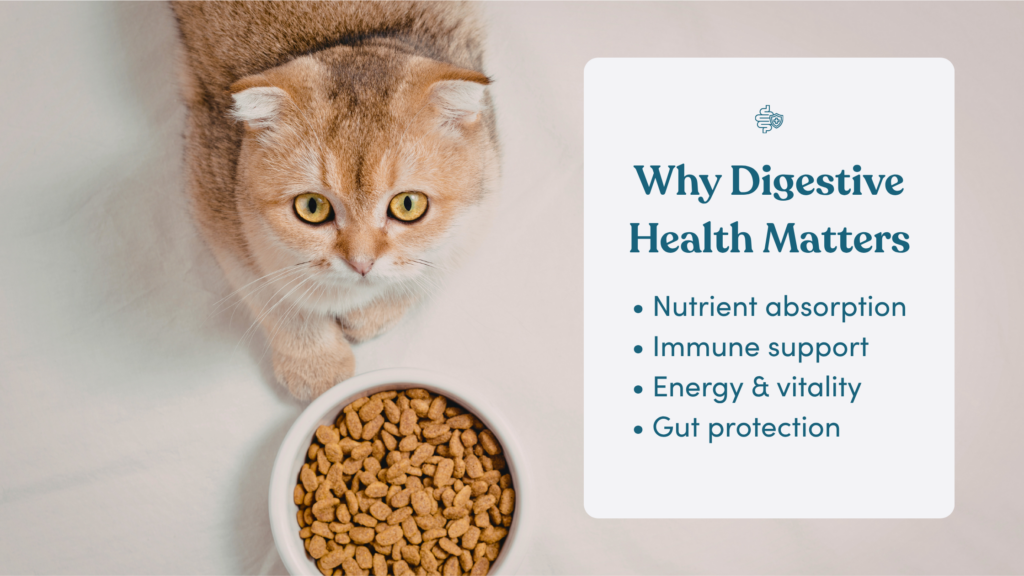
Your pet’s digestive system does more than just process food. It plays a key role in:
- Absorbing essential nutrients
- Supporting immune function
- Maintaining energy levels
- Protecting against harmful bacteria
When the digestive system is disrupted, it can impact your pet’s entire body—not just their stomach.
Common Digestive Problems in Pets
1. Diarrhoea
Diarrhoea is one of the most frequent digestive issues in both dogs and cats. It can range from mild and short-lived to severe and chronic. In a healthy dog or cat:
- Food is broken down in the stomach and small intestine
- Nutrients are absorbed through the intestinal lining
- Water is absorbed (primarily in the small and large intestine)
- The colon compacts waste into formed stools that are then excreted.
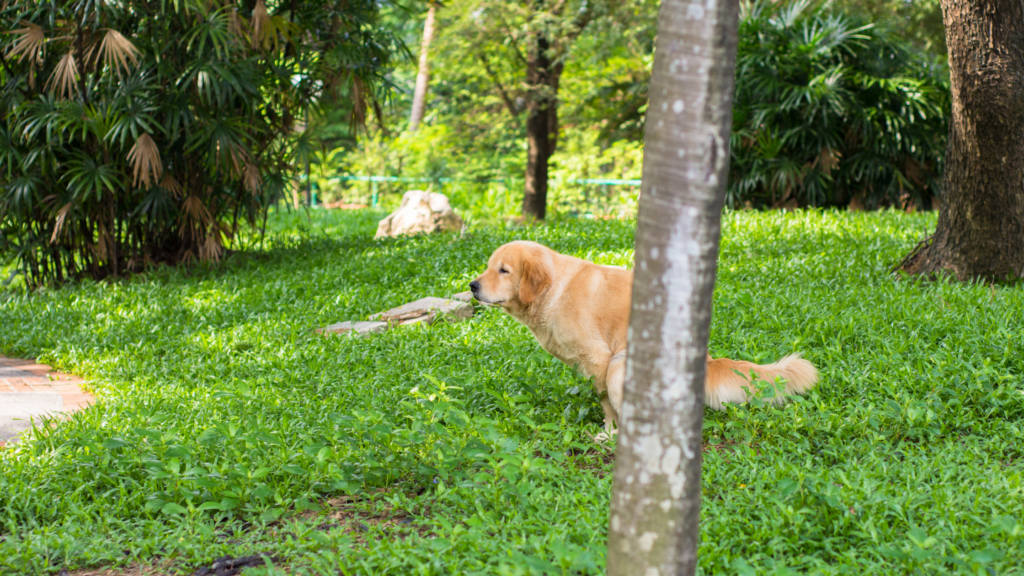
The gut carefully balances secretion (adding fluid) and absorption (removing fluid). Diarrhoea occurs when this balance is disrupted.
Common Causes:
- Sudden diet changes
- Eating inappropriate foods (e.g. scraps or rubbish)
- Food intolerances
- Parasites
- Bacterial or viral infections
- Stress or anxiety
What to Look For:
- Loose or watery stools
- Increased frequency of bowel movements
- Urgency or accidents
When to seek medical advice from your vet:
- Lethargy or weakness
- Persistent vomiting (or symptoms lasting more than 24–48 hours)
- Blood in stool (especially large amounts)
- Signs of dehydration (dry gums, sunken eyes)
- Puppies, kittens, or senior pets
2. Vomiting
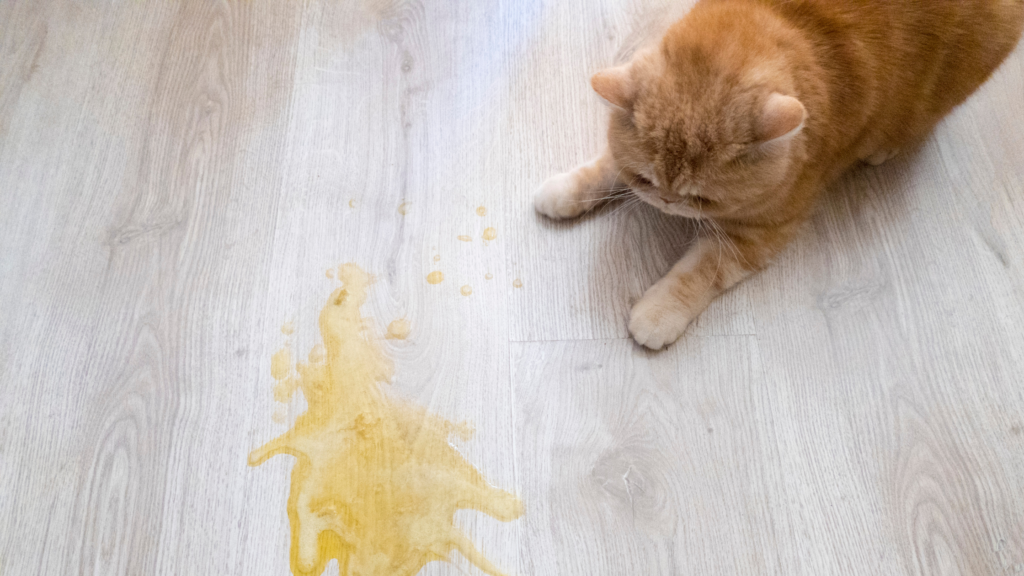
Occasional vomiting can happen, especially if a pet eats too quickly or consumes something unusual. However, frequent or persistent vomiting may indicate an underlying issue.
Common Causes:
- Dietary indiscretion (eating things they shouldn’t)
- Food sensitivities
- Hairballs (especially in cats)
- Gastrointestinal inflammation
- Infections or toxins
Occasional vomiting can happen, especially if a pet eats too quickly or consumes something unusual. However, frequent or persistent vomiting may indicate an underlying issue.
What to Look For:
- Repeated vomiting
- Lethargy
- Loss of appetite
- Dehydration
When to seek medical advice from your vet:
- Vomiting that continues beyond 24 hours
- Not interacting normally or sleeping excessively
- Refusing food
- Blood present in vomit
- Signs of dehydration – dry, sticky gums and/or sunken eyes
- Suspected foreign body or toxin ingested
- Puppies, kittens or senior pets.
3. Constipation
Constipation occurs when bowel movements become infrequent or difficult to pass.
Common Causes:
- Low fibre intake
- Dehydration
- Lack of exercise
- Hair ingestion (especially in cats)
- Underlying medical conditions
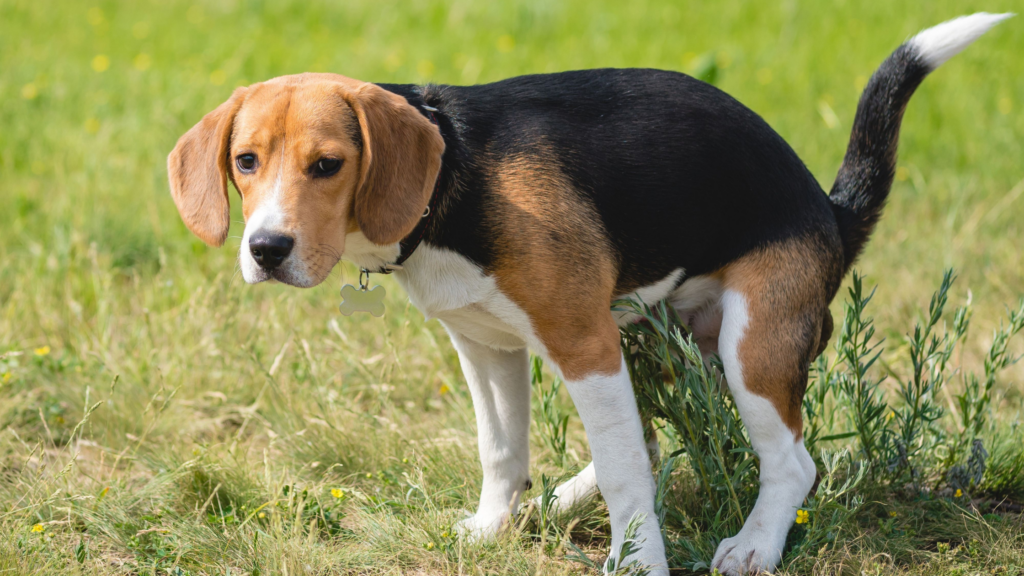
What to Look For:
- Straining to pass stool
- Hard, dry stools
- Reduced frequency of bowel movements to normal bowel behaviour.
When to seek medical advice from your vet:
- No bowel movement for more than 48hours
- Repeated attempts/straining with no result
- Signs of pain or distress – hunched posture, crying when trying or even avoiding the toileting area.
- Bloated abdomen
- Not eating and lethargic
4. Food Sensitivities and Intolerances
Like us, pets may react poorly to certain ingredients in their diet, leading to ongoing digestive upset.
Common Causes:
- Protein sources (e.g. beef, chicken)
- Dairy products
- Artificial additives
- Wheat
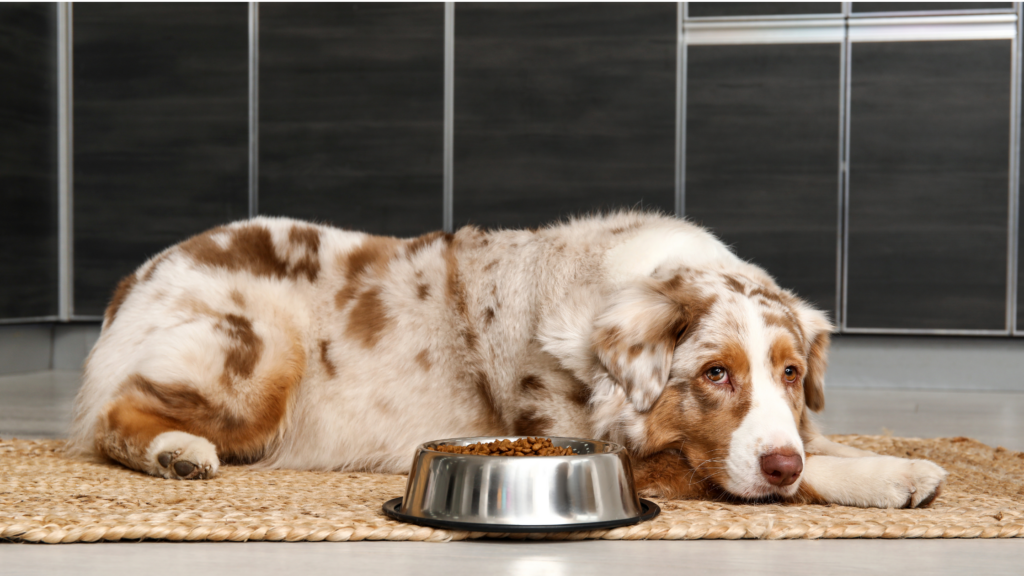
What to Look For:
- Chronic diarrhoea or soft stools
- Vomiting
- Gas or bloating
- Sometimes skin irritation
If you suspect an intolerance, it is best to discuss with your vet as elimination diets can be tricky and you need to ensure that your pet will not be missing out on essential nutrients.
6. Gut Microbiome Imbalance
A healthy balance of gut bacteria is essential for digestion. Disruption (often called “dysbiosis”) can lead to digestive problems.
Common Causes:
- Antibiotic use
- Stress
- Illness
- Poor diet
How to Help Support Your Pet’s Digestive Health
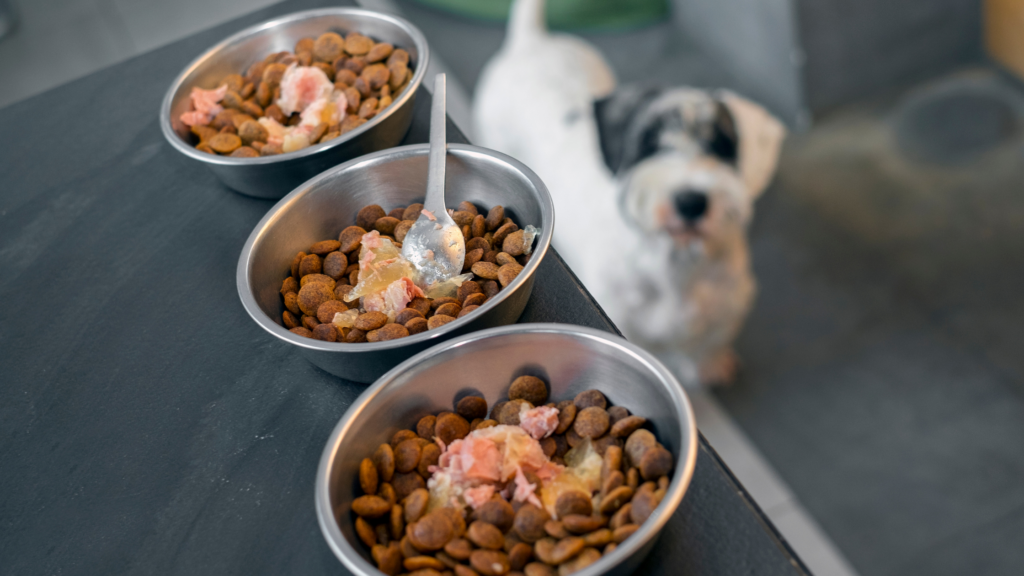
As you have just read, maintaining a healthy digestive system is so important for several reasons so here are a few tips for supporting your pets.
1. Feed a Consistent, High-Quality Diet
Sudden diet changes are a common trigger for digestive upset. Always:
- Introduce new food gradually over 7–10 days
- Choose a high-quality, balanced diet
- Avoid feeding table scraps or fatty foods
If symptoms persist or if you have any concerns, please contact your vet.
2. Use Digestive Supplements
Digestive supplements can play a valuable role in maintaining gut health, especially during times of stress or digestive upset.
Probiotics and Prebiotics
These help maintain a healthy balance of gut bacteria and support digestion.
- Probiotics introduce beneficial bacteria
- Prebiotics feed those beneficial bacteria
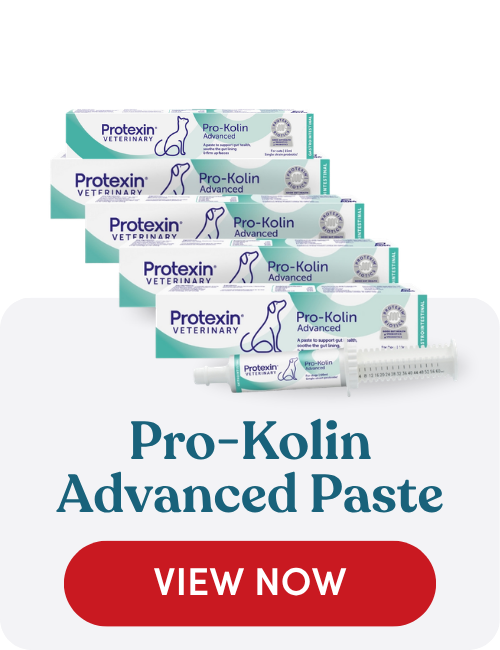
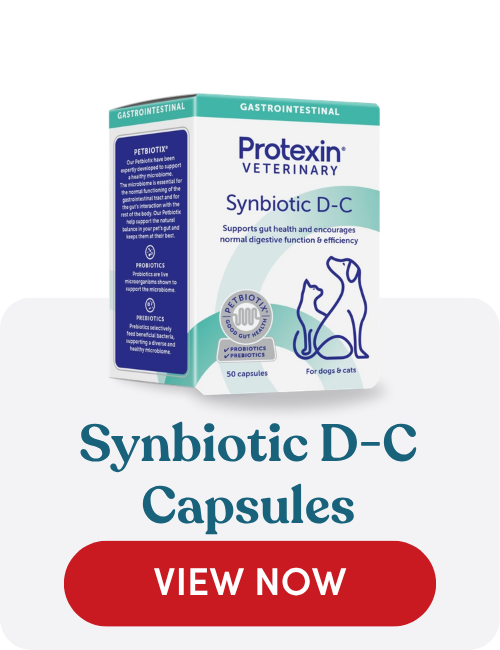
Supplements such as Pro-Kolin Advanced Paste or Synbiotic D-C Probiotic & Prebiotic Capsules contain both prebiotics and probiotics that help to improve stool quality, support recovery from diarrhoea and strengthen immune function
3. Ensure Proper Hydration
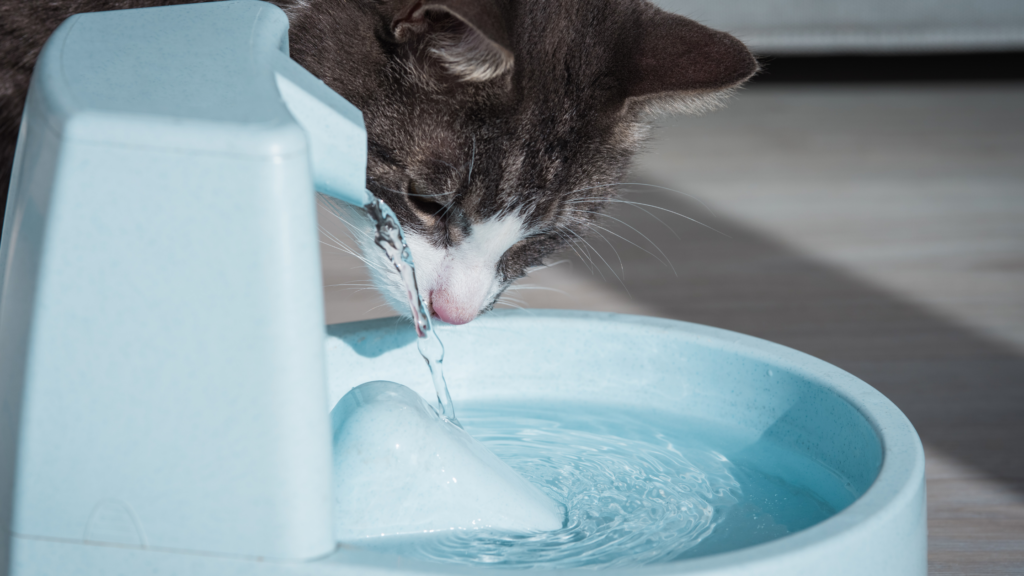
Dehydration can worsen digestive problems, particularly diarrhoea and constipation.
- Always provide fresh, clean water
- Consider wet food for cats or pets that drink less
- Monitor water intake during illness
4. Manage Stress
Stress can significantly impact gut health in both dogs and cats.
Common Stress Triggers:
- Changes in routine
- Travel or boarding
- New pets or environments
Providing a stable environment and using calming strategies can help reduce stress-related digestive issues.
When to See a Veterinarian
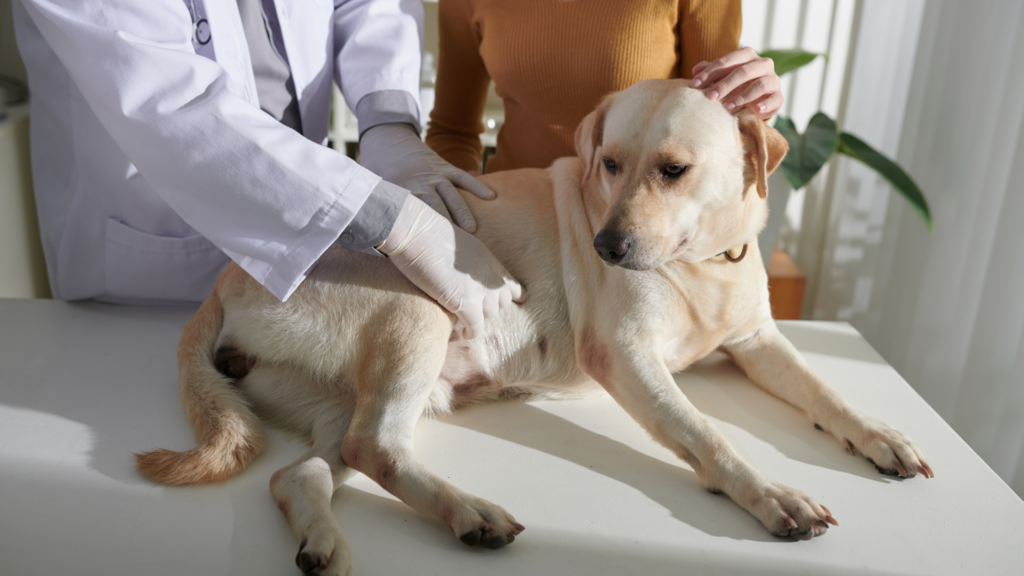
While some digestive issues resolve quickly, others require professional care.
Seek veterinary advice if your pet shows:
- Persistent vomiting or diarrhoea (more than 24–48 hours)
- Blood in stool or vomit
- Severe lethargy
- Loss of appetite
- Signs of pain or discomfort
- Weight loss
Early intervention can prevent more serious complications and help your pet recover faster.
Supporting Long-Term Digestive Health
Maintaining digestive health is an ongoing process. With the right combination of:
- Balanced nutrition
- Digestive support supplements, such as Pro-Kolin Advanced Paste or Synbiotic D-C Probiotic & Prebiotic Capsules
- Preventative care
- Veterinary guidance
Final Thoughts

Digestive problems in dogs and cats are common, but they don’t have to become long-term issues. By recognising the signs early and providing appropriate care, you can support your pet’s digestive system and keep them feeling their best.
If in doubt, always consult your veterinarian—especially if symptoms persist or worsen. A healthy gut is the foundation of a healthy pet.


ABOUT THE AUTHOR
Melissa Nye, B. Pharm
Co-Founder and COO at Pet Chemist, AHPRA-registered pharmacist
Melissa is a registered pharmacist and Co-Founder of Pet Chemist Online. Passionate about making pet healthcare easier to understand, she combines trusted veterinary and pharmaceutical knowledge with practical, everyday advice to help Australian pet owners keep their dogs and cats healthy and happy.
If you have any concerns about your pet’s health, or are starting a new treatment or care routine, always speak with your veterinarian.