When your veterinarian recommends a veterinary diet for your dog or cat, it’s often an important part of managing a specific health condition. While regular pet foods are designed to meet the nutritional needs of healthy animals, veterinary diets are specially formulated to help manage medical conditions through precise nutrition.
For many pets, diet can play a significant role in improving quality of life, supporting treatment, and preventing complications. Understanding how veterinary diets work—and why your vet may recommend one—can help pet owners feel confident about making the switch.
What Is a Veterinary Diet?
Veterinary diets (sometimes called therapeutic or prescription diets) are specially formulated pet foods designed to help manage diagnosed health conditions. Unlike standard pet food, veterinary diets are formulated with carefully controlled levels of nutrients and specific ingredients to support disease management.
Because of their specialised formulation, veterinary diets are usually recommended by veterinarians who can determine whether the diet is appropriate for your pet’s condition.
How Veterinary Diets Differ From Standard Pet Food

Although both regular pet food and veterinary diets provide complete and balanced nutrition, veterinary diets are designed with specific medical goals in mind.
Targeted Nutrient Levels
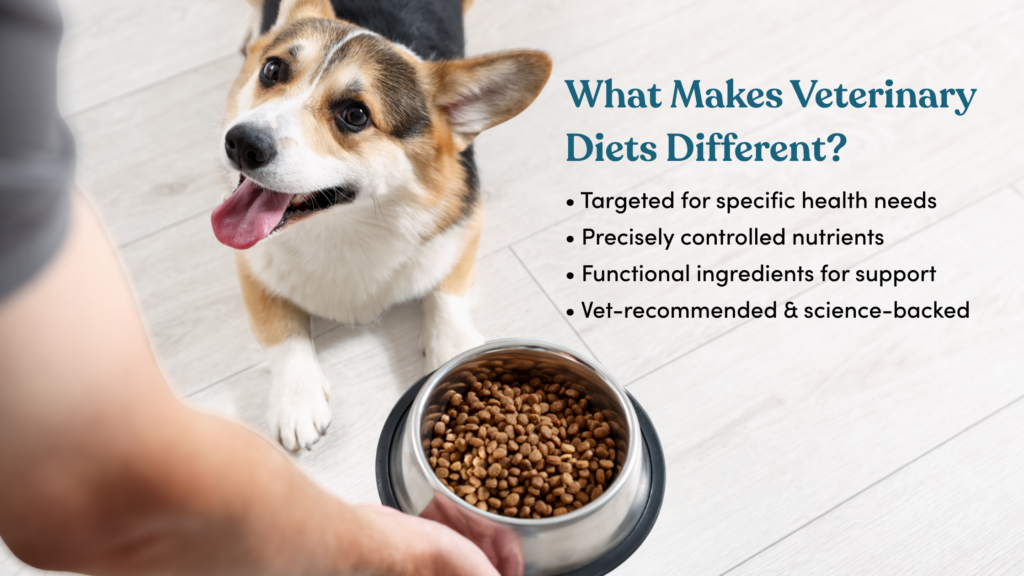
Veterinary diets contain carefully adjusted levels of nutrients such as:
- Protein
- Fat
- Fibre
- Carbohydrates
- Minerals (such as sodium or phosphorus)
- Vitamins and antioxidants
These levels are tailored to support pets with particular health concerns.
Functional Ingredients
Many veterinary diets include ingredients that provide additional therapeutic benefits, such as:
- Highly digestible proteins for assistance of digestive issues
- Prebiotics and probiotics to support gastrointestinal biome
- Controlled carbohydrate sources to support blood glucose levels or metabolism.
- Anti-inflammatory nutrients
- Dental-cleaning kibble textures
Veterinary diets are often backed by scientific research and feeding trials, ensuring they effectively support pets with specific conditions. Because these diets are formulated for particular health conditions, they are typically recommended under veterinary supervision to ensure the diet is appropriate for the pet’s diagnosis.
Let’s take a closer look at some of the most common veterinary diets.
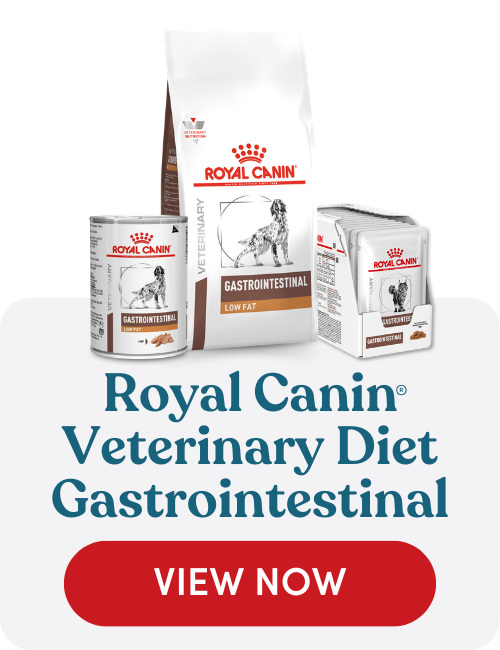
Gastrointestinal Veterinary Diets
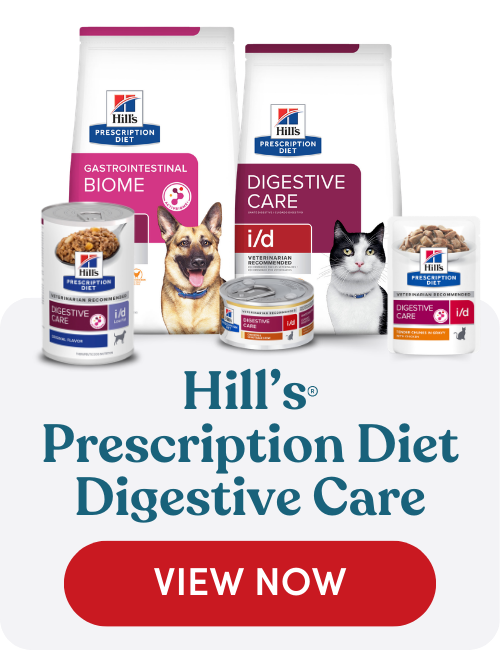
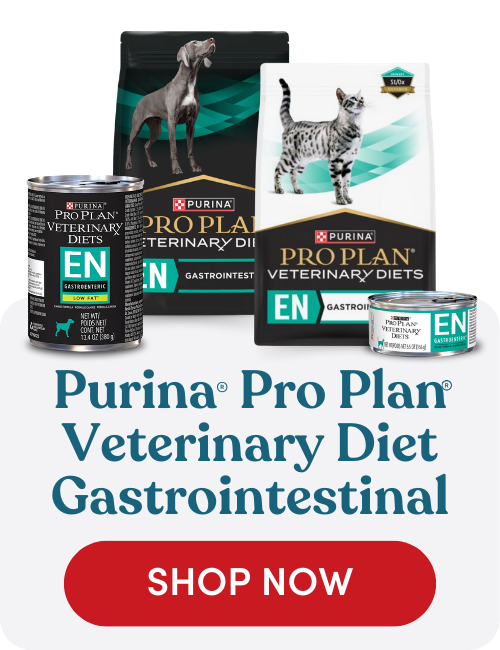
Digestive disorders are among the most common health issues affecting dogs and cats. Conditions such as chronic diarrhoea, vomiting, inflammatory bowel disease (IBD), and food sensitivities can disrupt nutrient absorption and cause significant discomfort.
Gastrointestinal veterinary diets are designed to support digestive health and improve nutrient absorption.
Key Features of Gastrointestinal Diets
- Highly digestible ingredients to reduce digestive strain
- Moderate fat levels to support easier digestion
- Added prebiotics or fibre to support gut health
- Balanced electrolytes to support hydration
These diets can help pets recover from acute digestive upset or manage long-term gastrointestinal conditions.
Diabetic Veterinary Diets
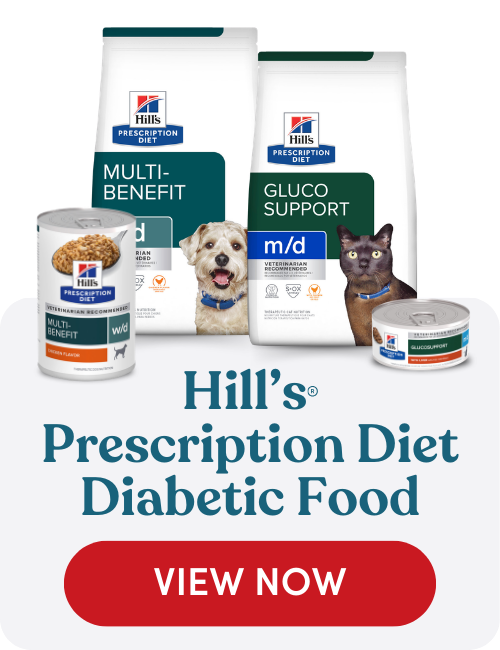
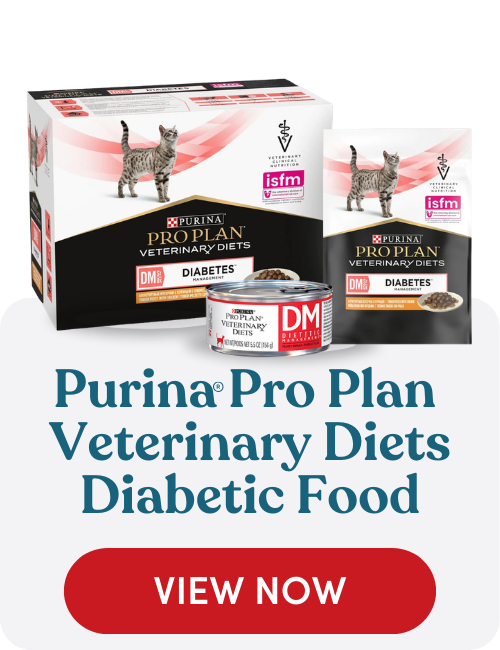
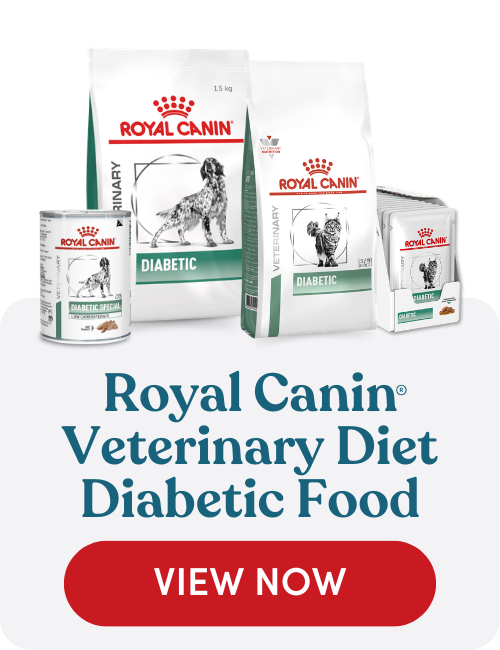
Diabetes is a condition that affects how the body regulates blood sugar. Together with prescription medication, dogs and cats with diabetes require careful management of their diet to help maintain stable glucose levels throughout the day.
Veterinary diabetic diets are formulated to help regulate blood sugar and support metabolic balance.
Key Features of Diabetic Diets
- Controlled carbohydrate content
- Low glycaemic ingredients that release glucose slowly
- Increased fibre to help regulate blood sugar levels
- Balanced protein to maintain muscle mass
These diets can play a crucial role alongside insulin therapy and veterinary care in managing diabetes.
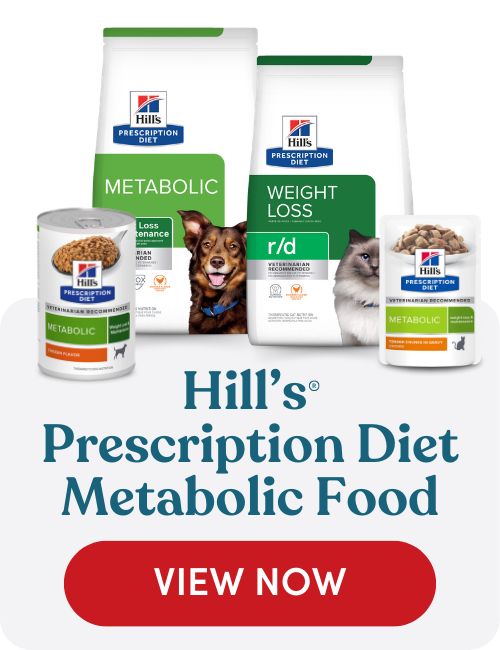
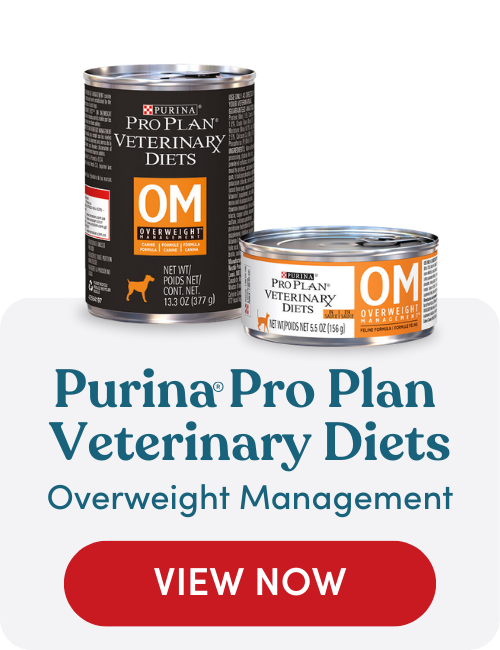
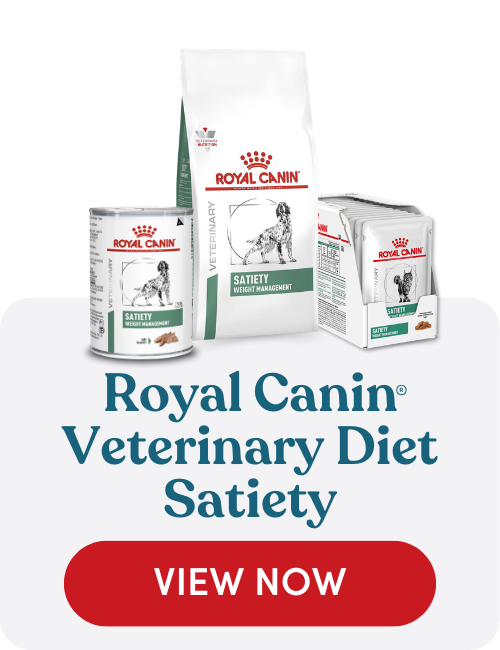
Metabolic and Weight Management Diets
Obesity is one of the most common health concerns in companion animals. Excess weight can increase the risk of serious health problems including diabetes, joint disease, heart disease, and lead to reduced lifespan.
Metabolic veterinary diets are designed to help pets lose weight safely while maintaining essential nutrition.
Key Features of Metabolic Diets
- Reduced calorie density
- Higher protein levels to maintain muscle mass
- Increased fibre to promote satiety and reduce hunger
- Carefully balanced nutrients to support overall health
These diets help pets lose weight gradually while still feeling satisfied, which can make weight management easier for both pets and their owners.
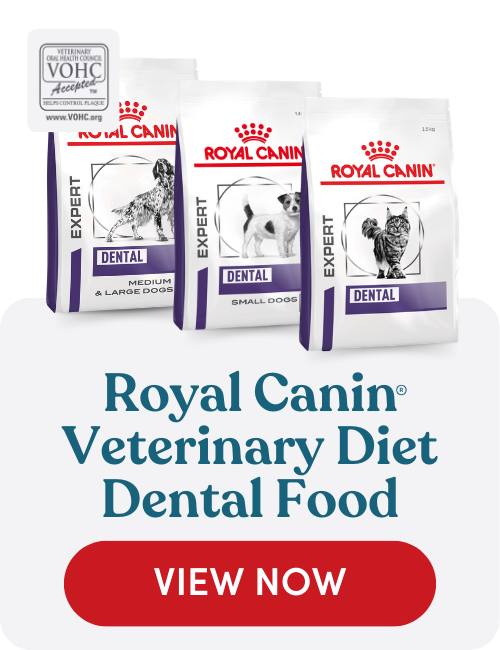
Dental Veterinary Diets
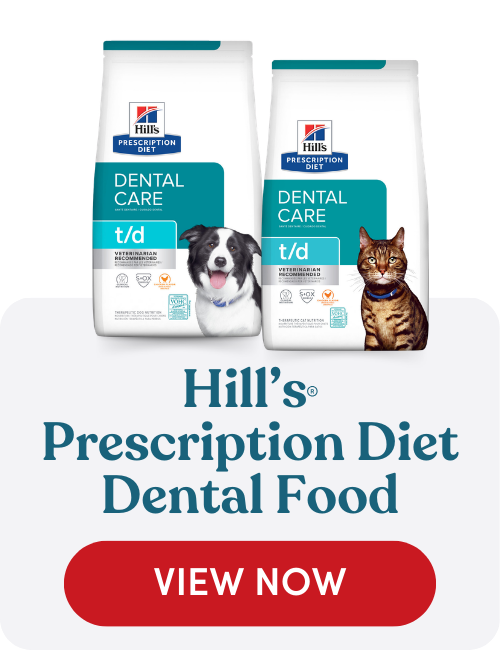
Dental disease is extremely common in dogs and cats. Plaque and tartar buildup can lead to bad breath, gum disease, tooth loss, and even systemic infections if left untreated.
Dental veterinary diets are specifically designed to help reduce plaque and tartar buildup during feeding.
Key Features of Dental Diets
- Larger kibble sizes that encourage chewing and gently debride the tartar
- Special fibre structures that help clean teeth
- Ingredients that help reduce plaque formation
- Nutrients that support gum health
These diets can be an effective addition to a pet’s dental care routine alongside brushing and regular veterinary dental checks.
Why Following Your Veterinarian’s Recommendation Matters

When a veterinarian recommends a veterinary diet, it is usually because nutrition plays a key role in managing your pet’s condition. Feeding the recommended diet consistently is important because even small dietary changes can affect how well the treatment works.
Switching back to regular food without veterinary advice may reduce the benefits of the diet or worsen the underlying condition.
If your pet is reluctant to eat a new diet, your veterinarian may recommend a gradual transition or suggest an alternative veterinary formula that better suits your pet’s taste preferences.
In summary, it is important to follow your vet’s advice if they recommend a veterinary diet as it is usually in conjunction with medication or to prevent the need for prescription medication.
